
Understanding Dry Eye Syndrome: Causes and Symptoms

Dry eye syndrome is a common and often frustrating condition that affects millions of people. It occurs when your eyes do not produce enough tears or when the quality of your tears is insufficient to keep the surface of the eyes properly lubricated. Understanding the causes and symptoms of dry eye syndrome is the first step toward finding lasting relief and protecting your long-term eye health.
What Is Dry Eye Syndrome?
Your tears play a vital role in maintaining eye comfort and clear vision. A healthy tear film consists of three layers: oil, water, and mucus. Together, these layers help keep the eyes smooth, hydrated, and protected from infection.
Dry eye syndrome develops when there is an imbalance in this tear film - either from decreased tear production or from tears that evaporate too quickly. Without adequate lubrication, the eyes become irritated and inflamed, leading to ongoing discomfort.
Common Causes of Dry Eye Syndrome
There are several reasons why dry eye can develop. Some of the most common causes include:
- Aging: Tear production naturally decreases with age, making dry eye more common in adults over 50.
- Meibomian Gland Dysfunction (MGD): MGD occurs when the tiny oil-producing glands along the eyelids become blocked or do not function properly. Since the oily layer of tears helps prevent evaporation, dysfunction in these glands can cause tears to evaporate too quickly, leading to dry, irritated eyes.
- Blepharitis: Blepharitis is inflammation of the eyelid margins, often caused by bacteria or clogged oil glands. It can disrupt the tear film and contribute to burning, redness, crusting along the lashes, and chronic dry eye symptoms.
- Screen Time: Prolonged use of computers, tablets, and smartphones reduces how often we blink, leading to faster tear evaporation.
- Environmental Factors: Wind, smoke, dry climates, air conditioning, and indoor heating can all contribute to tear evaporation and eye dryness.
- Medical Conditions: Autoimmune disorders such as rheumatoid arthritis or Sjögren’s syndrome can interfere with tear production.
- Medications: Certain medications - including antihistamines, decongestants, antidepressants, and blood pressure medications - may reduce tear production.
- Contact Lens Wear: Extended contact lens use can disrupt the tear film and increase dryness.
- Hormonal Changes: Hormonal shifts, especially during pregnancy or menopause, can impact tear stability and production.
Symptoms of Dry Eye Syndrome
Dry eye symptoms can range from mild irritation to more persistent discomfort. Common symptoms include:
- A stinging, burning, or scratchy sensation
- Redness in the eyes
- Sensitivity to light
- Blurred or fluctuating vision
- A feeling of something being in the eye
- Stringy mucus around the eyes
- Eye fatigue
- Watery eyes
Many patients notice that symptoms worsen later in the day or after long periods of reading or screen use.
Why Dry Eye Should Not Be Ignored
Although dry eye may seem like a minor annoyance, untreated dry eye syndrome can lead to chronic inflammation and potential damage to the surface of the eye. Persistent dryness can also interfere with daily activities such as driving, reading, and working on a computer. Early diagnosis allows for more effective management and helps prevent complications.
When to See Your Eye Doctor
It’s important to schedule an eye exam if you experience:
- Persistent dryness lasting more than a few days
- Ongoing redness or irritation
- Blurred vision that improves with blinking
- Increased sensitivity to light
- Eye discomfort that interferes with daily activities
- Frequent need for artificial tears without lasting relief
A comprehensive eye examination allows your eye doctor to evaluate your tear production, tear quality, and overall eye health. From there, a personalized treatment plan can be developed to address the underlying cause of your symptoms.
Schedule Your Dry Eye Evaluation Today
Dry eye syndrome is a common but manageable condition. Recognizing the causes and symptoms early can help you seek timely care and avoid long-term discomfort. With proper diagnosis and a customized treatment plan, relief is possible.
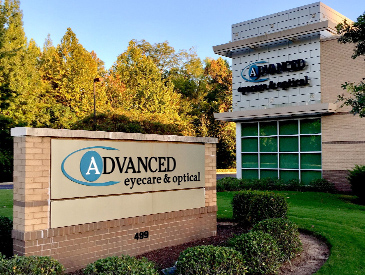
If you are experiencing symptoms of dry eye, contact Advanced EyeCare & Optical to schedule a consultation and learn more about personalized treatment options designed to restore comfort. Visit our office in Collierville, Tennessee, or call (901) 850-2366 to book an appointment today.
Helpful Articles
article_category: products
article_category: psychiatry
article_category: faqs
article_category: cats
article_category: general
article_category: services
article_category: technology
article_category: dogs
article_category: restorative
article_category: vision therapy
article_category: contact lenses
article_category: health
article_category: conditions
article_category: eye surgery co-management
article_category: exotic
article_category: cosmetic
article_category: surgical procedures
article_category: aesthetics
article_category: preventative
article_category: ocular disease management
article_category: eyeglasses
article_category: eye health
article_category: large animal
[]
article_category: psychiatry
article_category: faqs
article_category: cats
article_category: general
article_category: services
article_category: technology
article_category: dogs
article_category: restorative
article_category: vision therapy
article_category: contact lenses
article_category: health
article_category: conditions
article_category: eye surgery co-management
article_category: exotic
article_category: cosmetic
article_category: surgical procedures
article_category: aesthetics
article_category: preventative
article_category: ocular disease management
article_category: eyeglasses
article_category: eye health
article_category: large animal
[]
Flowbite is an open-source library of interactive components built on top of Tailwind CSS including buttons, dropdowns, modals, navbars, and more.
Check out this guide to learn how to get started and start developing websites even faster with components on top of Tailwind CSS.

All Eye Care Services
Find personalized eye care excellence with our comprehensive services. From eye exams to advanced diagnostics, trust us for all your vision needs.
Keep In Touch
For non-urgent questions or to learn more about our services, contact us today!
© 2026 Advanced Eye Care & Optical. All rights Reserved - Accessibility Statement - Privacy Policy - Terms and Conditions - Sitemap
Managed and Designed by 